Pinot Meunier
The signature grape of the Marne Valley. It buds later, so it copes better with spring frosts. It brings fruitiness, juiciness and approachability to champagne.

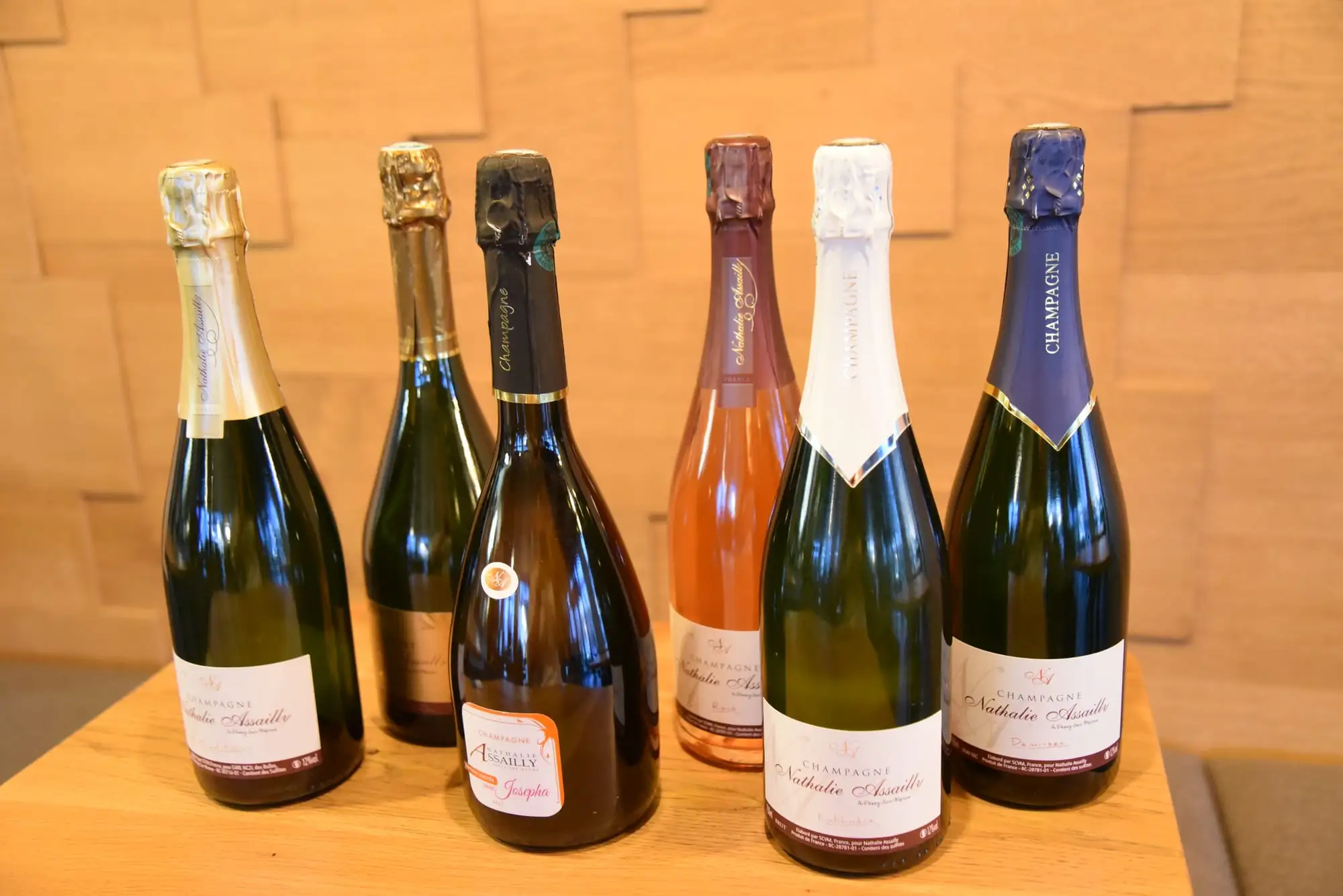
No snobbery and no jargon. The way we talk about champagne at our tastings.
Champagne is the northernmost wine region of France, about 150 kilometres from Paris. For a long time its cool climate made life hard for winemakers: in spring the wine in the bottles started to ferment again on its own and the bottles burst.
In the 17th and 18th centuries, what had first been a flaw became a virtue. Winemakers learned to control the second fermentation in the bottle, and sparkling wine from Champagne became a favourite of royal courts across Europe. Today the name Champagne is protected: only wine from this region, made by the traditional method under strict rules, may be called champagne.
The traditional method, méthode champenoise in French. At least a year and a half passes from harvest to the first sip, and much longer for vintage wines.
In Champagne the grapes are picked only by hand and in whole bunches, so the skins of the black grapes are not damaged and do not colour the juice.
The grapes are pressed carefully and in stages. The best, first fraction of the juice makes the finest wines.
The juice becomes a still wine. Each grape variety and vineyard is usually vinified separately.
The winemaker builds the final cuvée from wines of different varieties, vineyards and often older vintages. This is where the house style is born.
A little sugar and yeast are added to the wine and the bottle is sealed with a crown cap, much like beer.
The yeast turns the sugar into alcohol and carbon dioxide, which has nowhere to escape. That is how the bubbles are born.
Non-vintage champagne ages for at least 15 months, vintage champagne for at least three years. The wine gains finesse and notes of brioche.
The bottles are gradually turned neck down so the settled yeast slides towards the cork.
The neck is frozen and the sediment shoots out. The bottle is topped up with the dosage, a mix of wine and sugar that sets the final sweetness.
Finally comes the cork with its wire cage, and the bottle rests in the cellar for a few more months.
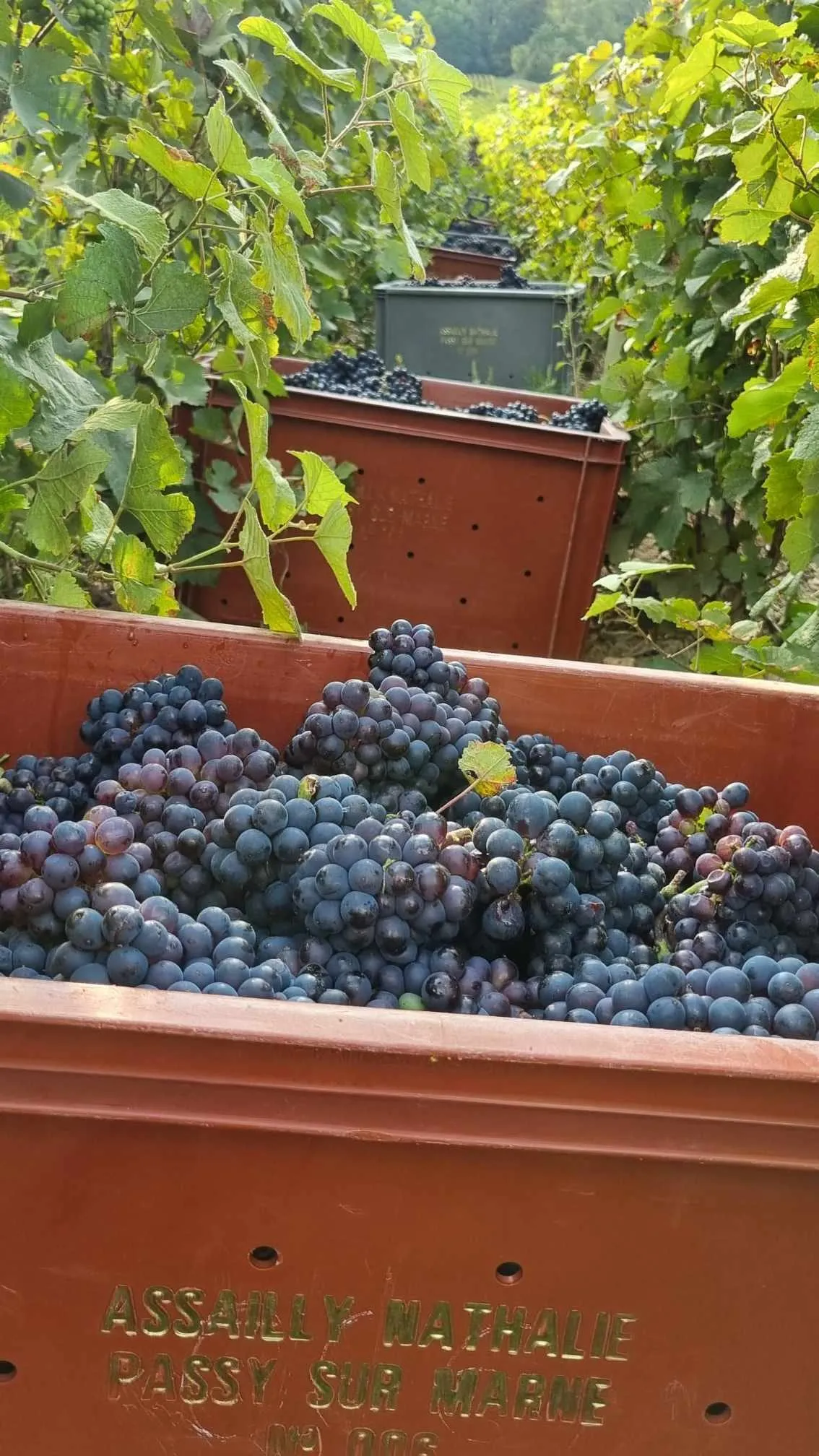
The signature grape of the Marne Valley. It buds later, so it copes better with spring frosts. It brings fruitiness, juiciness and approachability to champagne.
A black grape that gives the wine body, structure and red fruit notes. Its skins also colour rosé champagnes.
The only white grape of the big three. It brings freshness, elegance, citrus notes and great ageing potential. On its own it makes Blanc de Blancs.
The sweetness of champagne is set by the dosage, the amount of sugar added before corking. The categories are defined by EU rules. The more sugar, the longer the bar.
Acidity and bubbles balance the sweetness a great deal, so even a Brut with a few grams of sugar tastes dry and fresh.
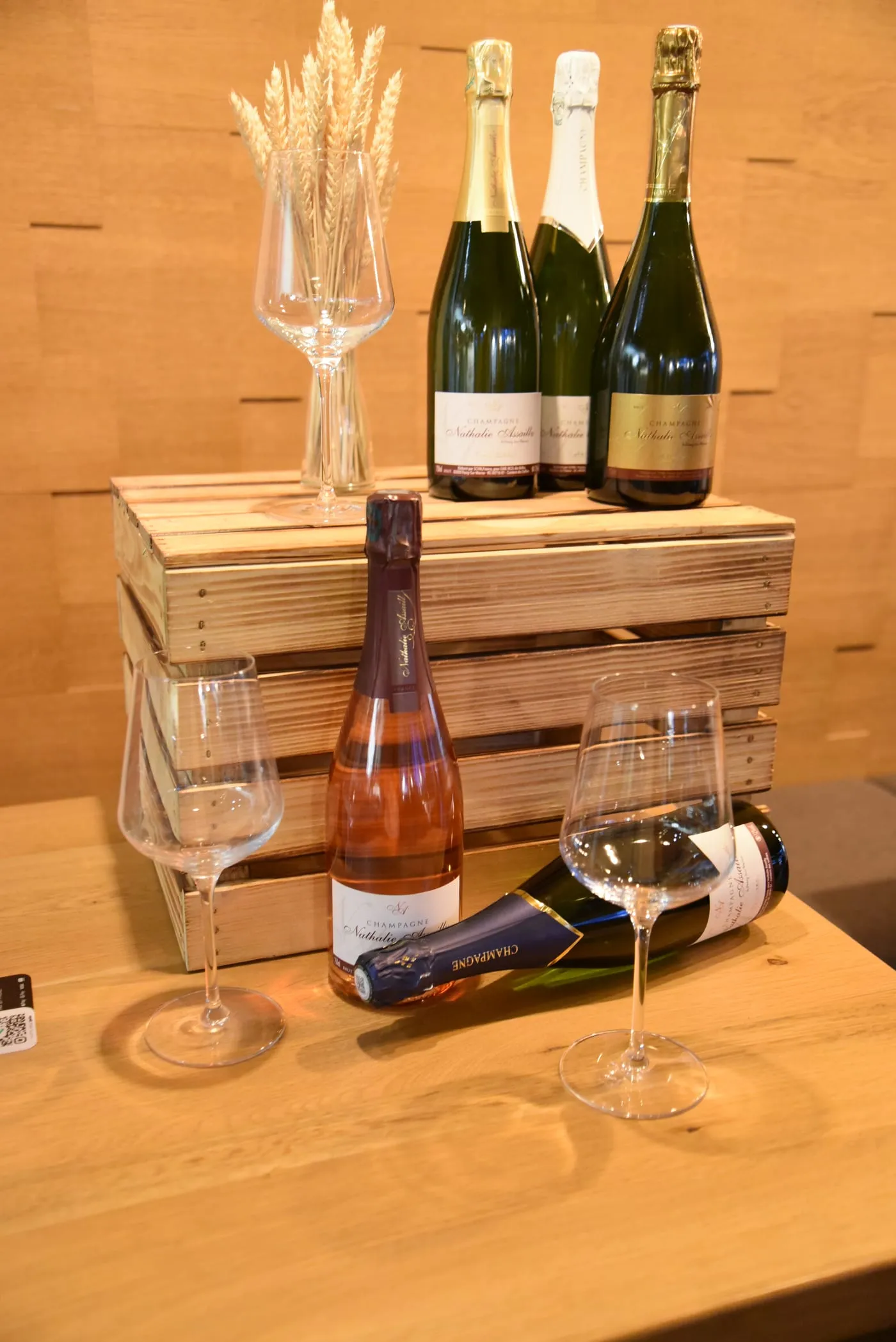
Store unopened bottles lying down, cool at around 10 to 13 °C, in the dark and without vibration. Temperature swings are the worst, such as a bottle on top of the fridge or next to a radiator.
Non-vintage champagne is ready to drink as soon as you buy it and keeps for a few years. Vintage wines and prestige cuvées can age longer, gaining notes of dried fruit, nuts and honey.
Close an opened bottle with a sparkling wine stopper and finish it within two to three days. A spoon in the neck, sadly, does not help.
A tradition associated with Napoleon’s hussars. The sabre slides along the seam of the bottle towards the neck, and a strike on the lip cleanly breaks off the neck with the cork. The pressure in the bottle then blows any glass fragments out.
It looks easy, but do not try it without a well-chilled bottle and proper instruction. And never aim at people.

Are you over 18?
This website contains information about alcoholic beverages and is intended only for people over 18.
Sorry, this website is intended for adults only.